Lipid Peroxidation
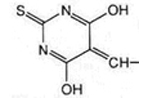
Lipid peroxidation is a well-defined mechanism of cellular damage in both animals and plants that occurs in vivo during aging and in certain disease states. Lipid peroxides are unstable markers of oxidative stress which decompose to form complex, reactive by-products.
We offer reliable, user-friendly assays to detect the most common by-products of lipid peroxidation:
- Malondialdehyde (MDA) is the most commonly formed by-product of lipid peroxidation. However, it is also the most likely to degrade over time even when samples are frozen, so it is best measured in fresh samples.
- 4-hydroxynonenal (4-HNE) is the most stable by-product of lipid peroxidation. It is usually stable in samples frozen at -80ºC for up to six months.
- 8-iso-Prostaglandin F2-alpha (8-isoprostane) is a relatively stable by-product that is best measured in plasma or urine samples.